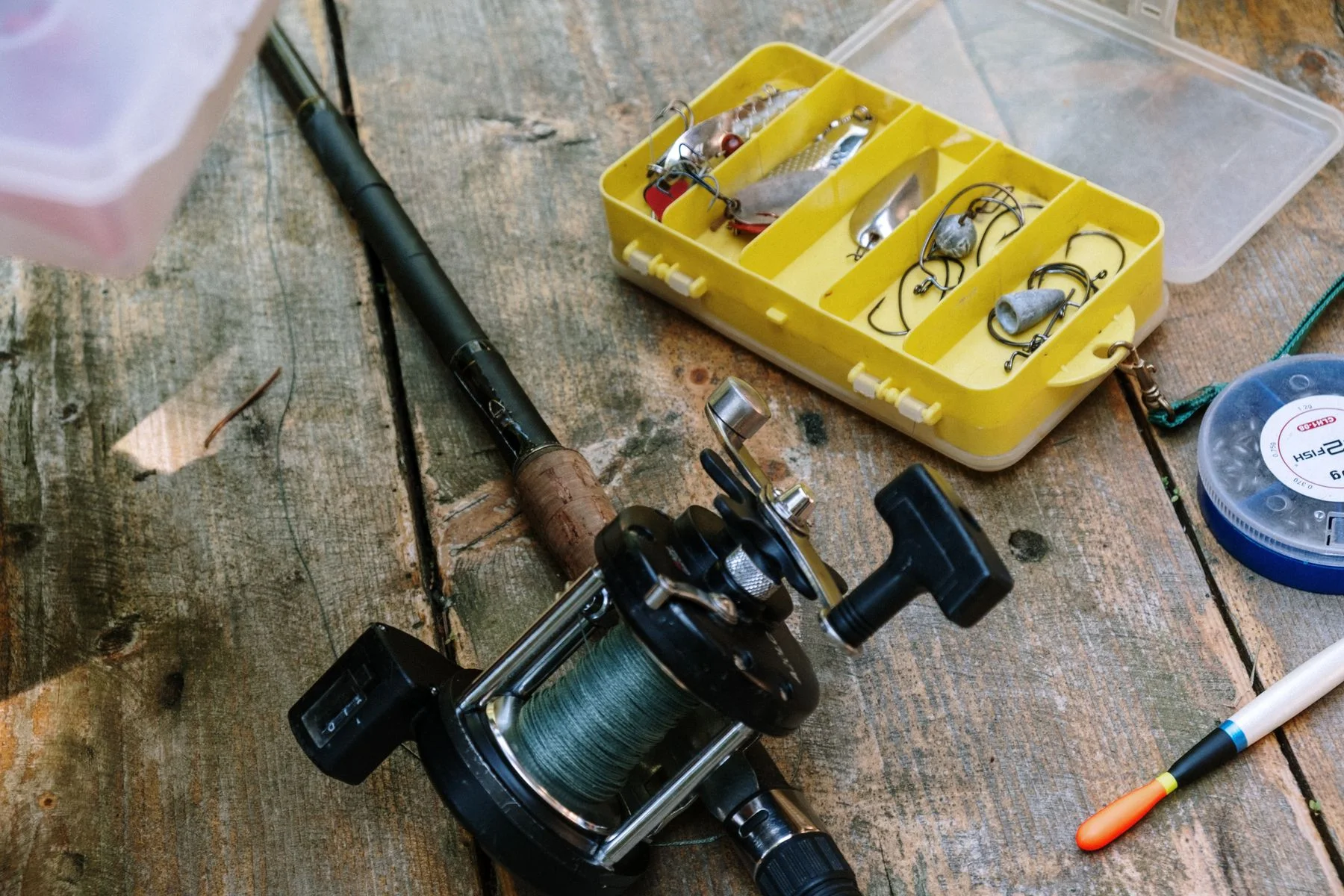
A useful starting point
Lay out a manageable section and examine it without pulling it across bare skin. Visible wear, damage or an uncertain condition deserves attention. Do not assume that a line is sound because one short part looks clean. Use the product guidance and replace questionable material responsibly rather than making improvised strength tests.
Try this sequence
- Keep the line controlled on a clear surface
- Inspect without dragging it against skin
- Note where the visible condition changes
- Follow manufacturer guidance for the next step
A small worked example
If one visible section looks worn, mark the issue in the record and consult the product guidance. Do not improvise a test by pulling it against your hands. The purpose of inspection is to notice a reason for an appropriate equipment decision, not to prove strength informally.
What to keep in your notes
Afterwards, write down the detail that changed your decision and the information you still need. Use the record on a later date as a question list, not as a current assessment of the place. A short, accurate note is easier to revisit than an unsupported conclusion.